Have you ever noticed how some producers swear by hay, while others won’t give up silage for anything?
This choice goes far beyond preference. It directly affects productivity, costs and the overall health of the herd.
Segundo a Embrapa, o manejo alimentar pode representar até 60% dos custos de produção em propriedades leiteiras e de corte.
Understanding the difference between haymaking and silage is the first step toward making better decisions and ensuring consistent herd performance throughout the year.
Check out our tips!
What haymaking is and how silage works in practice
Haymaking is the most traditional method of preserving forage.
In this method, the forage is dried until it reaches a low moisture level, allowing the feed to be stored for longer periods.
It is a simple and efficient technique, ideal for regions with dry climates and plenty of sunlight.
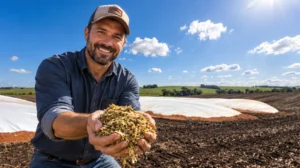
Silage, on the other hand, is produced from chopped and compacted forage stored in an airtight environment, which triggers natural fermentation that preserves nutrients and extends the feed’s shelf life.
Hay or silage? Time, cost and space make all the difference
When choosing between hay and silage, available time, cost and storage space are key factors.
After all, haymaking requires dry and stable weather, which can become a challenge during rainy periods.
However, when it comes to investment, haymaking is usually more affordable for small and medium producers because it requires less infrastructure.
Silage requires more equipment and labor, yet it provides greater feed consistency throughout the year.
Although it requires more resources, it delivers higher volume and output, which makes it worthwhile for larger operations.
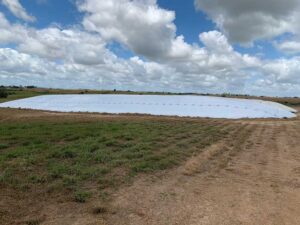
Finally, when it comes to storage, hay requires covered and well-ventilated areas, while silage must be completely sealed, whether in bale silos, trench silos or surface silos.
When is haymaking the best choice?
Em regiões com clima seco e sol constante, a fenação se destaca por oferecer baixo custo, praticidade e boa durabilidade.
In addition, hay is easy to transport and distribute, which simplifies daily management.
Producers who want more autonomy also find haymaking to be a strong alternative. However, it is essential to pay close attention to the cutting stage and the drying process.
Quando o feno é armazenado ainda úmido, há risco de proliferação de fungos, o que reduz o valor nutricional e pode comprometer a segurança alimentar do rebanho.
When does silage deliver the best results?
Silage is recommended for those who need to keep feed consistent throughout the entire year, especially in humid regions.
The process preserves the feed through fermentation and maintains a high energy content and good digestibility, which leads to higher productivity.
Studies from Embrapa show that herds fed with corn silage achieve better weight gain and higher milk production.
The process requires a higher initial investment, but it reduces losses and ensures predictable feed availability.
Nutrition and performance: how each technique impacts the herd
Hay provides more fiber and plant structure, which supports digestion and helps maintain rumen health.
Silage, in turn, is richer in energy and soluble carbohydrates, which enhances the performance of animals in growth and lactation.
For this reason, many producers choose to combine both techniques. Hay provides a dry, structural base, while silage complements the diet with energy and greater palatability.
This strategy keeps the diet balanced, reduces waste and increases efficiency in the field.
Efficient preservation: the key behind strong results
The way forage is stored makes a significant difference, since proper preservation prevents losses, reduces waste and ensures a consistent supply of feed with stable nutritional value.
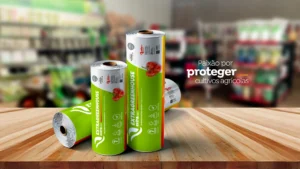
Extraplast’s agricultural films, such as Polywrap, Extrasilo and Extralona, are produced with seven-layer technology and UV protection, which increases durability, resistance and overall preservation efficiency.
These solutions reduce losses and help producers maintain feed quality even under challenging weather conditions.